Whole Home Humidifier – Pros & Cons

Pros:

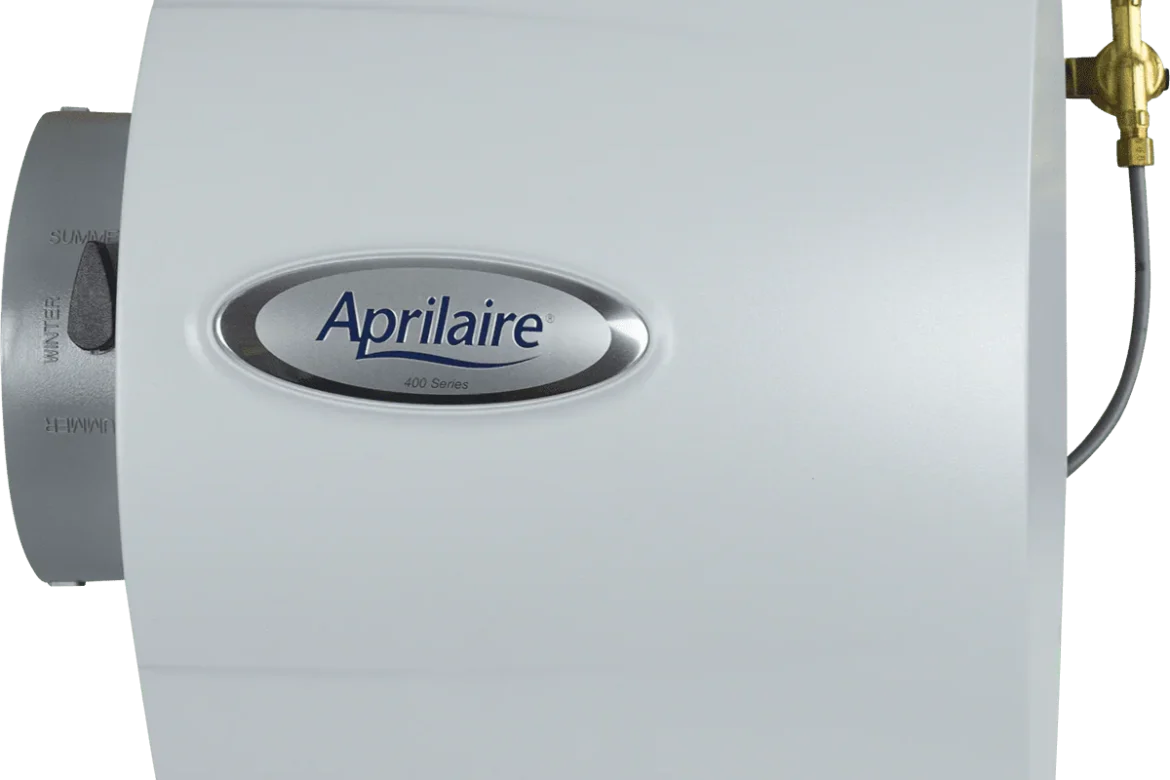
Adds humidity to the home, allowing greater comfort at lower thermostat settings.

Proper humidity supports respiratory health by reducing dry throat, nasal passages and dry cough.

Helps reduce dry skin, eyes, and lips.

Helps protect wood cabinets, floors, furniture, and musical instruments from drying and cracking.

Unlike portable humidifiers, whole-home units do not leave white mineral particles that can clog air filters

Cons:

Humidifiers may not always meeting customer expectations because they only operate when the furnace is running.

Can cause condensation on windows, doors, and walls if not adjusted properly.

Due to hard water in Kansas City area, solenoids and water inlet valve may experience increased failure rates.

Important Considerations:

Humidifiers are not a “set it and forget it” component of your HVAC system.  Proper maintenance is a essential.  We recommend setting the humidistat between 30% – 40%, adjusting downward as needed to prevent window condensation.  Every house is different, and factors such as age of the home and the quality of windows can affect performance.

Homeowners should periodically inspect the furnace and humidifier for any signs of water leakage.  If your system uses a 1” furnace filter, it should be checked monthly and replaces as needed.

Remember, your furnace, humidifier, and air conditioner are mechanical systems that require regular maintenance and occasional homeowner checks to operate safely and efficiently.
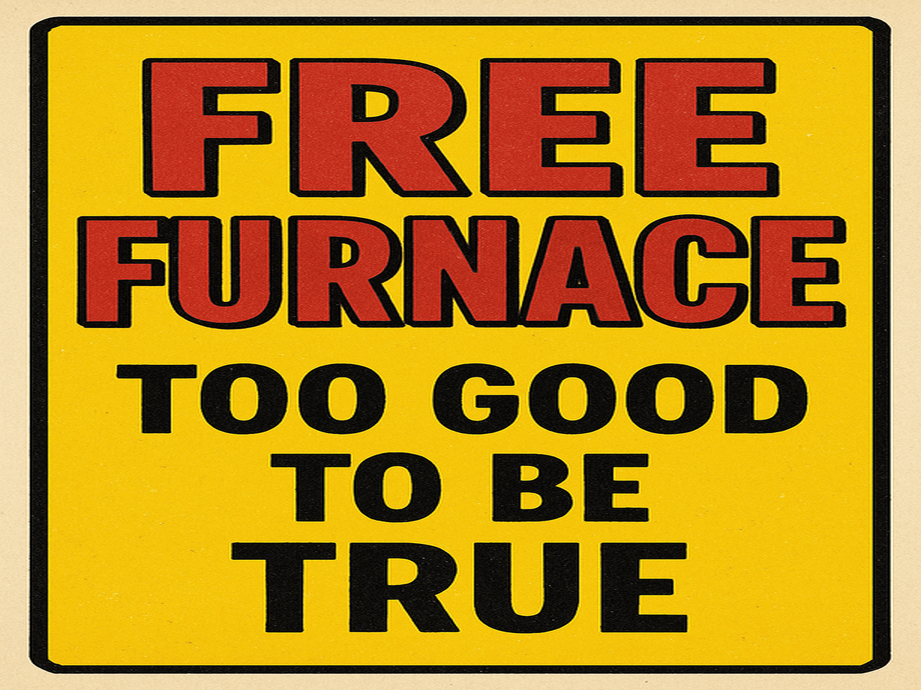
Too Good To Be True!

Do the service or installation specials you see advertised seem too good to be true? Often, they are. These unbeatable deals are sometimes just a way for a company to get in the door to sell you a costly repair or replacement. In many cases, such offers are designed to pressure homeowners into making quick decisions without full information or transparency.

It’s always best to approach these calls with a healthy dose of skepticism—do your research, check reviews, and verify the company’s reputation before making any commitments. Remember: if something sounds too good to be true, it probably is.

At City Wide Heating & Cooling, we take pride in providing straightforward, honest service and quality installations. Locally owned and family operated for 76 years and counting!


Should I run the fan on the furnace continuously?

Running the fan on the furnace continuously (or fan on mode) offers several advantages. Firstly, it helps to distribute air more evenly throughout the home, ensuring consistent temperatures in every room. This can result in increased comfort for occupants, as there are no sudden blasts of hot or cold air when the furnace cycles on and off. Additionally, continuous fan operation helps to improve air filtration by constantly circulating air through the furnace filter, which can lead to better indoor air quality by removing dust, allergens, and other particles. Running the fan constantly can also help to reduce humidity levels in the home during the cooling season by circulating air over the evaporator coil of the air conditioning system. You will need to be mindful of your air filter if you decide to run the fan continuously.  It is likely to get dirtier faster and may need to be changed more frequently than during operation in the “Auto” mode.  Some homeowners may not want to do this in the deepest part of winter as it may make the house feel drafty.  Overall, maintaining a constant airflow with the furnace fan can contribute to enhanced comfort, better air quality, and improved energy efficiency.

Regular Maintenance Is Crucial!

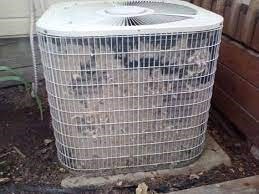
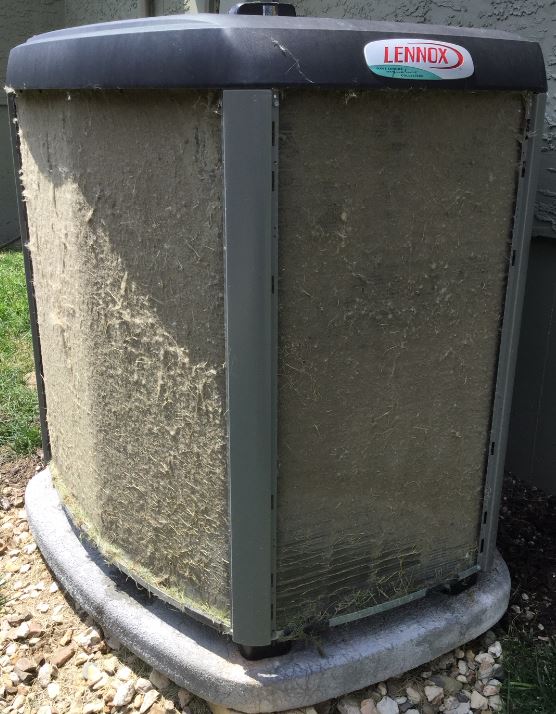
Regular maintenance of a home air conditioner is crucial to ensure its optimal performance, longevity, and energy efficiency. Over time, dust, dirt, and debris can accumulate in the unit’s filters and coils, obstructing airflow and reducing its cooling capacity. Additionally, worn-out parts or minor issues, if left unattended, can escalate into major problems that require costly repairs or even premature replacement of the entire system. By scheduling routine inspections and tune-ups, homeowners can identify and address potential issues early on, saving both time and money in the long run. Additionally, a well-maintained air conditioner operates more efficiently, consuming less energy to provide the same level of cooling, which translates to lower electricity bills and reduced environmental impact. Ultimately, investing in regular maintenance not only enhances the performance and lifespan of the air conditioning system but also ensures consistent comfort and cost savings for the household.
If you are interested in our maintenance plan please call the office at 816-384-6006 or speak to your service technician when he is at your home.

Dirty KC air conditioner photo

Best Time To Start My Air Conditioner For The Season

One of the biggest questions City Wide hears every year is: When should I turn on my air conditioner? As we know in the Kansas City area, the weather really starts to heat up in early May once we start getting rain the humidity ramps up.

The problem is most people wait until that first really hot day to turn on their air conditioner. Usually the best time to turn it on for the first time is when you really don’t need it yet. In this area we know that we will always get a 70 degree day either in March or April. And this year, we’ve really had a few warm days that qualify.

So why do it early? Because a large bulk of air conditioner issues happen when you first turn it on for the season. And if yours happens to break, there is less demand at that time and our service department can get to you earlier. If you wait until that first really hot day, demand really picks up and it may be more difficult to get to your home.

Before you turn it on, we would just offer a little advice:

  1. Make sure you have a clean filter in your furnace. A dirty filter makes your system work a little harder because it restricts air flow. And restricted air flow can lead to your air conditioning system freezing up.
  2. Wash out your air conditioner. A dirty air conditioner can cause the same issues because you don’t have proper air flow through your air conditioner. It also puts more load on the electrical components as well.

If you are not comfortable doing either of those, contact the office at 913-384-6006 and we would be happy to do that for you!

Carbon Monoxide – What is It and How Can It Harm You in Your Kansas City Area Home

It’s the time of year in Kansas City where the leaves change color and the weather gets cooler. It also means that homeowners start to turn on their furnaces to take the chill out of the morning air.

It also means that homeowners also need to be aware of carbon monoxide, which is a hidden danger capable of causing harm to them and their families.

So, What Is Carbon Monoxide & Where Does it Come From?

Carbon Monoxide (or CO for short) is a colorless, odorless gas.  It can be produced from a variety of sources:

  • Furnaces
  • Gas Fireplaces
  • Stoves
  • Automobiles
  • Grills
  • Lanterns
  • Generators

Carbon Monoxide can build up indoors and cause a multitude of issues: headaches, dizziness, confusion, nausea, and even death. So it’s important that homeowners in Kansas City are aware of how you can prevent these issues.

How Can You Prevent Carbon Monoxide Issues in Your KC Home

There are a few things homeowners can do to prevent CO poisoning in their homes:

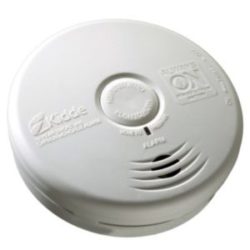
  1. Install a CO detector in your home. EVERY home should have a detector where it will wake you up if it sounds. The most common detectors are either battery operated or plug into an electrical socket. If battery operated, change the batteries every year when you change the batteries in your smoke detectors.
  2. Have your heating system inspected every year. A simple furnace tune-up can check for carbon monoxide coming from the system.
  3. Inspect the venting from your gas appliances on a regular basis. Over time your vents may develop rust or other issues, and proper venting ensures the carbon monoxide leaves your home.
  4. Never burn charcoal indoors.
  5. Never use a gas stove for heating your home.
  6. Don’t use a generator inside your home or garage or less than 20’ from a window.
  7. Have your chimney inspected every year to make sure there is no debris blocking the openings.

If your carbon monoxide detector alarm ever sounds or if you start to experience symptoms of carbon monoxide poisoning, leave your home immediately and contact 9-1-1.

Carbon Monoxide is an issue that needs to be taken seriously. Much like all homes should have smoke alarms, they should also have working carbon monoxide detectors.

If you have any questions, contact City Wide Heating & Cooling at 913-384-6006.